Kids’ Raincoats 2026: The Top 5 Brands for Dry Play
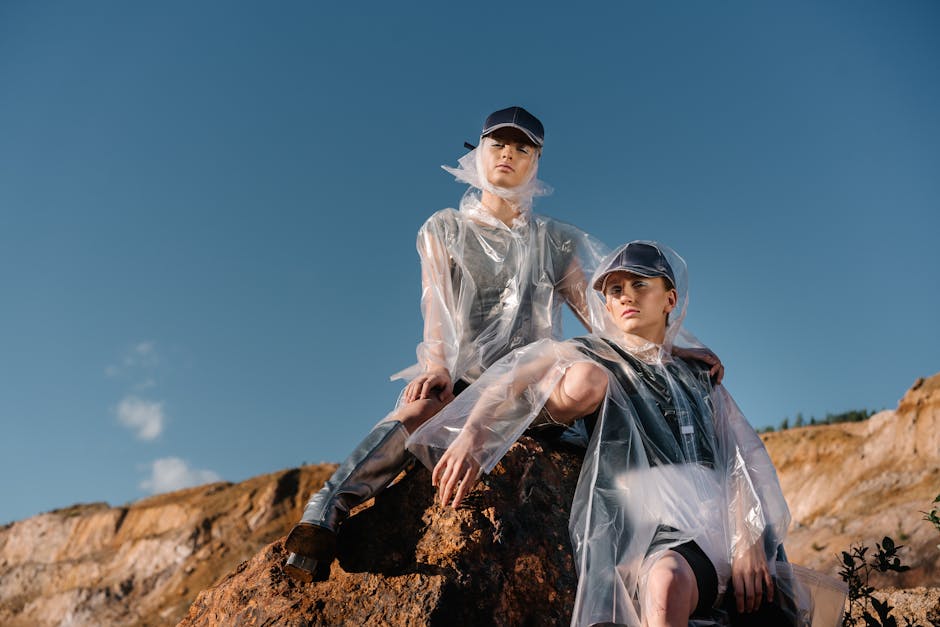
Did you know that children spend, on average, 4-6 hours less time outdoors per week than they did just a decade ago? Bad weather is often cited as a key deterrent, leading to missed opportunities for vital physical activity and imaginative play. Picture this: a grey, drizzly Saturday morning. Your kids are bouncing off the walls, desperate to burn energy outside. You eye their flimsy, hand-me-down raincoat, already picturing soggy clothes, grumpy faces, and the inevitable cold. It’s a common dilemma for parents: how do you equip your little adventurers to embrace the rain, not just tolerate it?
Choosing the right raincoat for your child is less about fashion and more about function. It’s about empowering them to splash, explore, and connect with nature, regardless of the forecast. This guide will walk you through exactly what makes a great kids’ raincoat and recommend the top brands that deliver on their promises of dryness and durability.
Why Your Child’s Current Raincoat Fails (And What to Look For)
Many raincoats simply aren’t up to the task of truly keeping kids dry during active play. You might think any “water-resistant” jacket will do, but often, these fail quickly, leaving kids damp and miserable. The problem isn’t just a lack of waterproofing; it’s often poor design choices that overlook the unique needs of active children.
The Hidden Flaws in Cheap Rain Gear
Many budget raincoats use a simple coating that wears off after a few washes or encounters with rough surfaces. These coats often lack seam sealing, meaning water can easily seep through the tiny needle holes where fabric panels are joined. Think about it: a child crawling through wet grass or sitting in a puddle puts pressure on these seams, pushing water right through. Furthermore, cheaper fabrics often lack breathability. This means that while they might keep rain out, they also trap sweat in, leading to a clammy, uncomfortable feeling that can quickly cool a child down. This isn’t just uncomfortable; it can be a health concern in cooler temperatures.
Another common flaw is inadequate hood design. A hood that constantly falls off, doesn’t provide enough coverage, or limits peripheral vision is practically useless. Kids need hoods that stay put, offer a good visor, and allow them to see their surroundings for safety and play. Finally, zippers on cheap raincoats can be a major weak point. They often aren’t waterproofed, allowing a steady drip of water down the front, directly onto the child’s clothes.
Essential Waterproofing Technologies
When you’re looking for a raincoat, understanding waterproofing is key. Forget “water-resistant”; you need “waterproof.” The gold standard for textiles is measured in millimeters (mm) of water column pressure. For active kids, aim for a jacket with a minimum of 5,000mm, though 10,000mm or higher offers superior protection for heavy rain and prolonged play. Look for materials like PU (polyurethane) coatings or membranes. High-end brands might use proprietary membranes similar to Gore-Tex, offering excellent breathability alongside waterproofing. The key is that the fabric itself is waterproof.
Beyond the fabric, inspect the seams. Fully taped seams mean that a waterproof tape has been applied over every stitched seam on the inside of the garment. This creates a complete barrier against water entry. Without taped seams, even the most waterproof fabric will leak. Zippers should also be waterproof or water-repellent, often indicated by a rubberized coating or a storm flap covering the zipper teeth. These details are non-negotiable for serious wet-weather play.
Durability: Surviving Mud and Play
Kids are rough on clothes. A raincoat for a child isn’t just about keeping water out; it’s about standing up to scrapes, mud, and countless washes. Look for fabrics with a higher denier count, which indicates thicker, more durable threads. Ripstop nylon or polyester are excellent choices because they are designed to prevent small tears from expanding. Reinforced knees and seats are a huge bonus, especially for puddle suits or pants, as these are high-abrasion areas.
Consider how easy the material is to clean. Many quality raincoats are designed to be wiped clean with a damp cloth, reducing the need for frequent machine washing, which can degrade waterproofing over time. Pay attention to cuff and hem construction as well. Adjustable cuffs with elastic or Velcro closures not only keep water out but also protect the sleeves from wear and tear during play. A truly durable raincoat is an investment that will last through multiple seasons and potentially multiple children.
Comparing Top Kids’ Raincoat Brands: Features & Price (2026)

Choosing the right brand means balancing features, durability, and price. Here’s a look at some of the best options available in 2026, focusing on their key offerings.
Oakiwear’s Muddy Puddles Suit
Oakiwear specializes in full-body rain gear that lets kids truly immerse themselves in wet play without getting soaked. Their flagship product, the Oakiwear Trail Suit (MSRP: $65-$80), is a one-piece waterproof suit designed for maximum coverage. It boasts a waterproof rating of 8,000mm and fully taped seams, making it ideal for everything from mud-puddle jumping to creek exploring. The suit features reinforced knees and seat, elastic cuffs, and an oversized hood that fits over helmets. Available in sizes from 12 months to 10 years, it’s a go-to for serious outdoor kids.
Jan & Jul’s Eco-Friendly Choice
Jan & Jul offers a range of rain gear focused on comfort, safety, and sustainability. Their Jan & Jul Adventure Rain Jacket (MSRP: $45-$60) is a popular choice, made from a breathable, waterproof (8,000mm) fabric with fully taped seams. What sets them apart is their use of OEKO-TEX certified fabrics, free from harmful chemicals, and a fluorine-free DWR (Durable Water Repellent) coating. The jackets include thoughtful features like reflective piping for visibility, adjustable hoods, and elasticized cuffs. They are lightweight and easy to pack, perfect for everyday wear and spontaneous adventures.
Reima’s Technical Performance
Hailing from Finland, Reima is renowned for its high-performance outdoor wear for children. The Reima Vatten Rain Jacket (MSRP: $70-$95) exemplifies their commitment to technical excellence. This jacket offers a substantial 10,000mm waterproof rating and exceptional breathability, crucial for active kids. It’s made from durable, bluesign® approved fabric, ensuring environmental responsibility. Key features include a safe, detachable hood, reflective details, and adjustable cuffs and hem. Reima products are built to withstand harsh Nordic weather, making them incredibly reliable for any climate.
Didriksons’ Scandinavian Durability
Another strong contender from Scandinavia, Didriksons, has been making functional outerwear since 1913. Their Didriksons Slaskeman Kids Rain Set (MSRP: $80-$100 for jacket and pants) is a classic. Made from Galon® (a durable, phthalate-free polyurethane material), it offers 100% wind and waterproofing with welded seams. It’s specifically designed for play, featuring adjustable foot straps on the pants to keep them in place and a detachable hood. While not as breathable as some membrane jackets, its extreme waterproofness and robust construction make it perfect for very wet and muddy conditions, providing fantastic protection without being overly bulky.
| Brand & Product (2026) | MSRP Range | Waterproof Rating | Key Features | Best For |
|---|---|---|---|---|
| Oakiwear Trail Suit | $65 – $80 | 8,000mm | One-piece, reinforced knees/seat, oversized hood, fully taped seams | Heavy mud play, full body coverage, extreme wet |
| Jan & Jul Adventure Rain Jacket | $45 – $60 | 8,000mm | Eco-friendly (OEKO-TEX, fluorine-free DWR), breathable, reflective piping | Everyday wear, light-to-moderate rain, environmentally conscious parents |
| Reima Vatten Rain Jacket | $70 – $95 | 10,000mm | High breathability, bluesign® approved fabric, detachable hood, reflective details | High-activity play, technical performance, colder wet weather |
| Didriksons Slaskeman Rain Set | $80 – $100 | Welded Seams | Highly durable Galon® material, adjustable foot straps, detachable hood | Very wet/muddy conditions, exceptional protection, classic rain gear |
The True Cost of a Quality Kids’ Raincoat (It’s Not Just the Tag Price)
When you see a raincoat priced at $70-$100, it might seem steep, especially for something your child will outgrow. However, looking only at the initial price tag misses the bigger picture of value, longevity, and even sustainability. A higher upfront cost often translates to significant savings and benefits down the line.
Calculating Cost-Per-Wear
Consider the “cost-per-wear.” A $30 raincoat might seem cheap, but if it leaks after five uses, needs replacing every season, and makes your child miserable, its effective cost per wear is very high. A $80 raincoat, like the Reima Vatten, that lasts for two years (or more if cared for) and keeps your child perfectly dry for hundreds of hours of play offers a much lower cost per wear. It reliably performs its job, preventing wasted money on multiple replacements and ensuring consistent comfort and enjoyment for your child.
Think about the alternative: buying multiple cheap raincoats, or dealing with soggy clothes that require extra laundry and potential health issues from prolonged dampness. The time and money saved on these hidden costs quickly add up, making the initial investment in a quality piece of gear a smart financial decision.
Resale Value and Hand-Me-Down Potential
High-quality raincoats from reputable brands like Patagonia or Didriksons hold their value remarkably well. Because they are built to last, they often look great even after years of use. This means you can often resell them on platforms like eBay, Poshmark, or local consignment shops for a good percentage of their original price. For example, a well-maintained Oakiwear Trail Suit can easily fetch 40-60% of its original cost.
Even better, these garments are designed to be handed down. A Reima jacket, for instance, can easily serve multiple children in a family, or be passed along to friends, extending its useful life and further reducing its overall cost per child. This sustainability aspect not only saves you money but also lessens the environmental impact by reducing waste.
Beyond the Label: Ethical Production
Many top-tier children’s outdoor brands are committed to ethical production and sustainable practices. They invest in durable, non-toxic materials, fair labor practices, and often offer repair services. Jan & Jul’s use of OEKO-TEX certified fabrics and fluorine-free DWR, or Reima’s bluesign® approved materials, are examples. This means you’re not just buying a raincoat; you’re supporting companies that prioritize environmental health and social responsibility. This intangible value contributes to a better world, and for many parents, that’s a cost worth paying for.
Sizing Up: How to Get the Perfect Fit for Growth and Layering

Getting the right size for a child’s raincoat isn’t as simple as just picking their current clothing size. You need to account for layering and room to grow without it being so baggy that it becomes a hindrance. Here’s a step-by-step guide to ensure a perfect fit.
-
Measuring for Success
First, grab a tape measure. Have your child stand tall. Measure their chest circumference at the widest part, their waist, and their sleeve length from the center back of their neck, over their shoulder, down to their wrist. Compare these measurements to the brand’s specific size chart. Do not rely solely on age or general clothing size, as these vary wildly between brands. For example, a Reima size 104 (for 4-year-olds) might fit differently than a Jan & Jul 4T. Always check the individual brand’s sizing guide; it’s the most accurate tool you have.
-
Accounting for Layering
A raincoat needs to fit over other clothes, especially in cooler weather. You’ll want space for a fleece jacket or a sweater underneath. When measuring, consider having your child wear their typical cold-weather layers. This provides a realistic assessment of how the raincoat will actually fit. Aim for enough room so they can move their arms freely without the jacket feeling tight across the back or shoulders. If in doubt between two sizes, size up, especially for children who are still growing rapidly. A slightly oversized raincoat with adjustable features is better than one that’s too snug.
-
Adjustable Features to Look For
To maximize the lifespan and utility of a raincoat, look for adjustable features. These allow you to customize the fit and adapt it as your child grows. Key features include:
- Adjustable cuffs: Velcro or elastic cuffs with snaps help keep sleeves from being too long and prevent water from seeping in.
- Adjustable hoods: Drawstrings, elastic, or Velcro tabs on the hood allow you to cinch it down for a snug fit that stays put and offers good visibility.
- Adjustable waists/hems: Some jackets have interior drawstrings or elastic toggles at the waist or hem. These can help define the shape and keep drafts out, especially if the jacket is a bit big.
- Grow cuffs: Some brands, like Reima, offer “grow cuffs” that allow you to extend the sleeve length by a few centimeters by simply unpicking a seam. This can add a full season of wear to a jacket.
These adjustable elements are crucial for a raincoat that truly grows with your child and provides reliable protection.
The Unbeatable Pick for All-Around Wet Weather Play (2026 Verdict)
If you need one raincoat that handles most wet-weather scenarios for active kids in 2026, there’s a clear winner.
Our Top Recommendation: The Oakiwear Trail Suit
For children who love to get truly muddy, splash in every puddle, and explore without limits, the Oakiwear Trail Suit stands out. This full-body suit (MSRP: $65-$80) is an all-in-one solution that eliminates exposed gaps, keeping children completely dry from head to ankle. It excels in heavy rain and mud, offering an 8,000mm waterproof rating and robust construction.
Why It Wins
The Oakiwear Trail Suit wins because it removes all barriers to play. Its one-piece design means no water gets in between jacket and pants. Reinforced knees and seats can take a beating, making it perfect for crawling, sitting, and sliding. Parents consistently praise its durability and ease of cleaning—a quick hose-off usually does the trick. While not as breathable as some technical jackets, for sheer, unadulterated wet-weather fun, it’s unmatched in its ability to keep kids dry and comfortable, preventing those dreaded cold, soggy meltdowns.
Maintaining Your Child’s Raincoat: Simple Steps for Longevity

A quality raincoat is an investment, and proper care extends its life and maintains its waterproofing. Don’t just toss it in with the regular laundry. Follow these simple steps to keep it performing its best.
How Often Should I Wash a Raincoat?
Wash your child’s raincoat only when necessary. Over-washing can degrade the DWR (Durable Water Repellent) coating and even the fabric’s integrity. For most children’s raincoats, a simple wipe-down with a damp cloth to remove mud and dirt is often sufficient. If it’s heavily soiled or has an odor, then a machine wash is appropriate. Aim for washing only a few times per season, unless there’s an immediate need.
What Detergent is Best for Waterproof Fabrics?
Avoid conventional laundry detergents. They often contain additives, softeners, or brighteners that can clog the pores of waterproof membranes and strip away the DWR coating. Instead, use a technical wash specifically designed for waterproof outerwear. Brands like Nikwax Tech Wash or Granger’s Performance Wash are excellent choices. These detergents clean the fabric without leaving residues that impair breathability or waterproofing. Follow the product’s instructions for dosage and cycle settings.
Can I Tumble Dry a Raincoat?
Most waterproof raincoats can be tumble dried on a very low heat setting, or even better, air-dried. The low heat from a tumble dryer can sometimes help reactivate the DWR coating. However, always check the care label on your specific raincoat. High heat can damage waterproof membranes and taped seams, leading to delamination or cracking. If air-drying, hang the raincoat in a well-ventilated area away from direct sunlight. Once dry, inspect the DWR. If water no longer beads up and rolls off, it might be time to reapply a DWR treatment spray (e.g., Nikwax TX.Direct Wash-In or Spray-On) to maintain its water repellency.