Asian Kale Salad
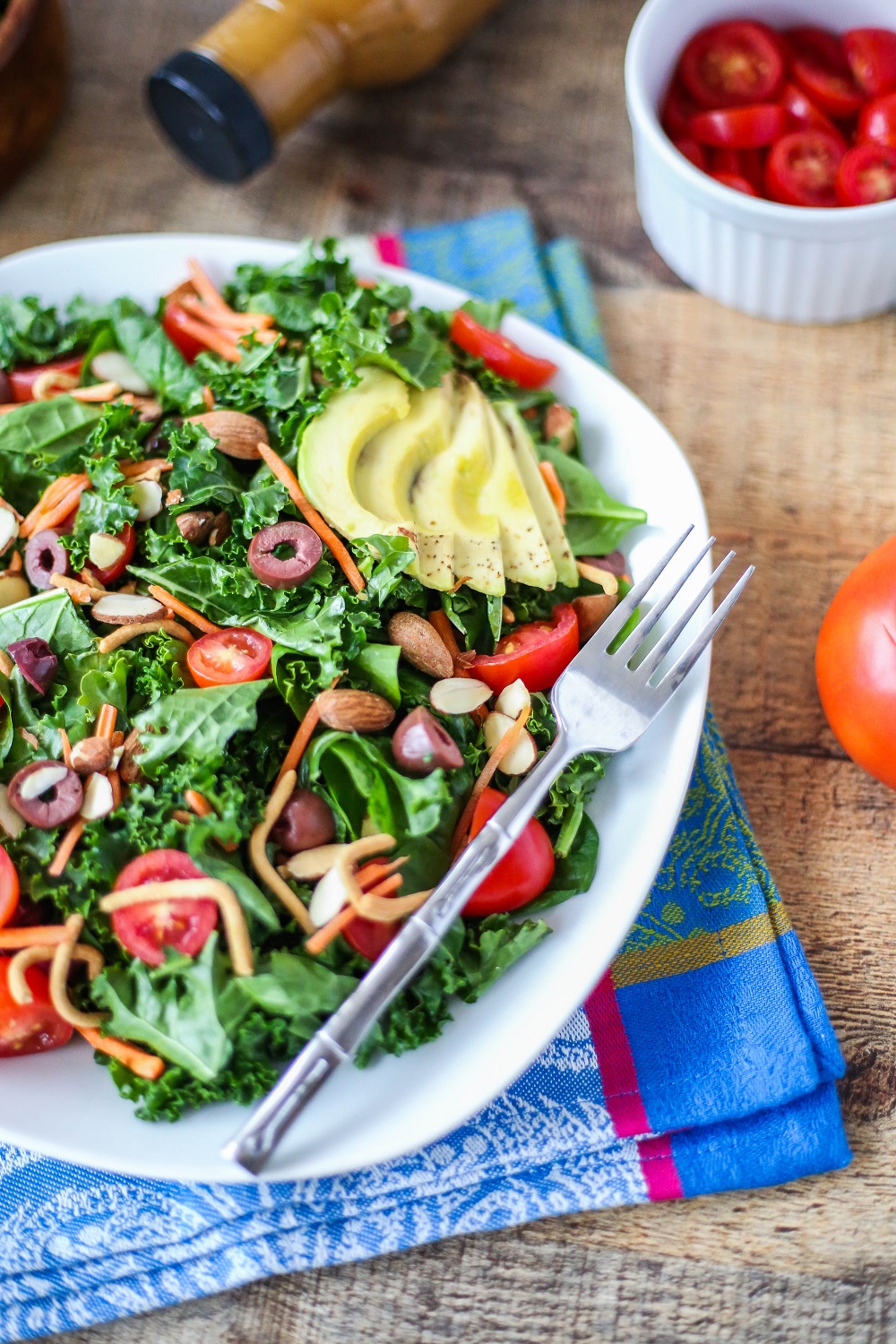
Listen, if your Asian kale salad tastes like tough leaves drowned in an unbalanced dressing, you’re doing it wrong. This isn’t rocket science, but there are non-negotiable steps. Get these right, and you get a vibrant, tender, flavorful salad. Skip them, and you’re eating glorified rabbit food. Period.
The Essential Kale Prep You Skip (and Why It Matters)
You cannot, under any circumstances, just chop kale and throw it into a bowl. That’s a rookie move, and it shows. Kale is notoriously tough. Its cell walls are rigid. If you don’t break them down, you’re chewing on cardboard. This isn’t about personal preference; it’s about basic culinary science. Massaging the kale is the single most important step for a tender, palatable salad. If you aren’t doing it, your salad will be inferior. It’s that simple.
Ignoring the massage step leaves you with bitter, fibrous greens that overpower any delicate dressing. Think about it: a tough base sabotages the entire dish. People complain about kale’s texture, but the problem isn’t the kale itself; it’s the lack of proper preparation. You need to treat Lacinato kale, also known as dinosaur or Tuscan kale, with respect. Its dark, crinkly leaves hold dressing beautifully, but only once softened.
Why Massaging is Non-Negotiable
Massaging kale tenderizes it. It literally breaks down the tough cellulose fibers and reduces bitterness. A good massage softens the leaves, making them more enjoyable to eat and better able to absorb the dressing. Without this step, you might as well eat it raw off the stalk. It’s a texture issue, plain and simple. No one wants to fight their salad.
This isn’t an optional extra. It’s foundational. Spend the extra two minutes here, and the difference is night and day. Skipping it is like trying to make a smoothie without blending. You won’t get the desired result. Your salad will lack that satisfying, yielding texture that makes a truly great kale salad.
The Right Technique for Any Kale Type
First, strip the leaves from the tough central stems. Those stems are pure chew-resistance; get rid of them. Then, chop the leaves into bite-sized pieces, roughly 1-inch squares. Wash them thoroughly and dry them well. Excess water dilutes your dressing. Now, place the dry kale in a large bowl.
Drizzle with a teaspoon of extra virgin olive oil and a pinch of salt. That’s it. Now, get in there with clean hands. Vigorously rub, squeeze, and scrunch the kale for 2-3 minutes. You’ll feel the leaves soften, shrink in volume, and turn a darker, more vibrant green. They should feel pliable, not stiff. For curly kale, you might need an extra minute. For Lacinato kale, it usually softens quickly. Once it feels significantly softer, you’re done. No need to overdo it; you’re not trying to make mush.
Crafting the Perfect Asian Dressing: A Step-by-Step Guide
A good Asian kale salad lives and dies by its dressing. You need balance: salty, sweet, sour, umami, and a hint of heat. Don’t just eyeball it. Precision here prevents a one-note disaster. This isn’t a suggestion; it’s the recipe. Follow it for a dressing that complements, not overwhelms, your greens.
Here’s the breakdown for a dressing that actually works, serving 4-6 people:
-
Combine Soy Sauce and Rice Vinegar (The Salty-Sour Base)
Start with 4 tablespoons of good quality Tamari or low-sodium soy sauce. Tamari works best for gluten-free options and often has a richer, less harsh flavor profile. Pair this with 3 tablespoons of unseasoned rice vinegar. Not seasoned rice vinegar; that has added sugar you don’t control. This combination creates your foundational salty and tangy notes. Don’t cheap out on these; they define the dressing’s backbone. The balance here is critical for cutting through the richness of other ingredients and tenderizing the kale further.
-
Add Toasted Sesame Oil and Mirin (The Umami & Sweet Depth)
Next, introduce 2 tablespoons of toasted sesame oil. This isn’t just oil; it’s a potent flavor bomb. It provides that signature nutty, umami depth. Use toasted, not plain, for the best aroma. Follow with 1 tablespoon of Mirin, a Japanese sweet cooking wine. Mirin adds a subtle sweetness and a nuanced layer of umami. If you don’t have Mirin, a teaspoon of maple syrup or agave nectar can substitute, but Mirin is preferred for its complexity. This combination elevates the dressing beyond just salt and sour.
-
Incorporate Fresh Aromatics (Ginger and Garlic)
Grate 1 tablespoon of fresh ginger and mince 2 cloves of garlic. Don’t use dried powders here; fresh is non-negotiable for that vibrant, pungent kick. These aromatics brighten the dressing and add essential layers of flavor that can’t be replicated. They provide warmth and sharpness, balancing the richer notes. A microplane grater makes quick work of ginger, ensuring it disperses evenly.
-
Whisk in a Touch of Sweetness and Heat (Optional, but Recommended)
Add 1 teaspoon of honey or maple syrup to round out the flavors. This isn’t about making it sugary; it’s about balancing the acidity and salt. A small amount makes a huge difference. For a slight kick, consider adding 1/2 teaspoon of sriracha or a pinch of red pepper flakes. Don’t overdo it, or you’ll overpower the other delicate notes. Whisk everything vigorously until well combined. Taste and adjust. It should be punchy but balanced. This dressing should be vibrant, not dull, and always fresh.
Dressing Variations: Don’t Ruin a Good Thing
People get adventurous with dressing ingredients, and sometimes it works, mostly it doesn’t. Stick to the core components. If you absolutely must deviate, understand the impact. Swapping foundational elements without knowing why is a recipe for disaster. Here’s a quick guide to smart substitutions and their consequences. Don’t just throw things in. Be deliberate.
| Ingredient | Standard Choice | Viable Alternative 1 | Impact of Alt 1 | Viable Alternative 2 | Impact of Alt 2 |
|---|---|---|---|---|---|
| **Soy Sauce** | Tamari (Gluten-Free) | Low-Sodium Soy Sauce | Similar salinity, less complexity, contains gluten. | Coconut Aminos | Sweeter, less salty, less umami. Adjust other components. |
| **Rice Vinegar** | Unseasoned Rice Vinegar | Apple Cider Vinegar | Sharper, fruitier tang. Less traditional Asian flavor. | Lime Juice | Brighter, more citrusy. Use fresh for best results. |
| **Sweetener** | Mirin | Maple Syrup | Pure sweetness, lacks umami depth of Mirin. | Agave Nectar | Neutral sweetness. Adjust quantity to taste. |
| **Oil** | Toasted Sesame Oil | Roasted Peanut Oil | Different nutty profile, good for specific Asian flavors. | Avocado Oil (small amount) | Milder, primarily for texture; pair with more sesame oil. |
| **Aromatics** | Fresh Ginger & Garlic | Ginger & Garlic Powder | Flat, dull flavor. Significantly less pungent and fresh. Avoid. | Shallots (minced) | Milder, slightly sweeter oniony note. Less punch than garlic. |
The table above outlines the common deviations and their expected outcomes. The key takeaway is this: every substitution changes the flavor profile. If you replace Tamari with Coconut Aminos, you’ll need to increase the salt elsewhere. If you use lime juice instead of rice vinegar, the salad will taste brighter, more Southeast Asian, and less typically Japanese. Don’t just swap without understanding the consequences. It’s a precise balance, and casual changes usually break it.
Beyond the Greens: Add-ins That Work (and Those That Don’t)
Once you’ve nailed the kale and the dressing, it’s time for the add-ins. This is where many salads go from good to great, or from great to a messy, unappetizing pile. The goal is contrast: crunch, chew, sweetness, and protein. Don’t just dump everything in your fridge into the bowl. Be intentional. Every ingredient should earn its place by adding texture, flavor, or nutritional value that complements the core Asian profile. If it doesn’t, leave it out.
Think about balance. The kale provides the earthy, slightly bitter base. The dressing brings the salty, sweet, sour, and umami. Your add-ins should enhance these, not compete with them. Avoid anything too watery, like raw cucumber, unless you drain it thoroughly, as it dilutes the dressing. Also, skip anything too heavy or creamy, like cheese, which clashes with the clean Asian flavors. This isn’t a Western salad; respect the cuisine.
Protein Power-Ups
Adding protein is a smart move. It transforms the salad from a side dish into a complete meal. Edamame, shelled and blanched, is an obvious and excellent choice. It provides a creamy texture, a subtle sweetness, and a significant protein boost. Aim for about 1 cup for a substantial salad. Another solid option is crispy baked or pan-fried tofu. Press the tofu thoroughly to remove excess water, cut it into cubes, and toss with a little soy sauce and cornstarch before baking or air frying until golden and crisp. This adds fantastic texture and plant-based protein. For non-vegetarian options, thinly sliced grilled chicken breast or flaked salmon are fantastic. The key is lean protein that won’t overpower the delicate dressing. Slice chicken thinly against the grain for tenderness; for salmon, a simple baked or pan-seared fillet flaked into chunks works perfectly. These additions make the salad hearty without making it heavy, providing sustained energy without the post-meal slump.
Texture and Flavor Boosters
Texture is in a good salad. Without crunch, it’s just soft leaves. Toasted sesame seeds are non-negotiable here; they add a nutty aroma and a satisfying pop. Sprinkle generously. For more significant crunch, consider sliced almonds or cashews, toasted lightly. Toasting enhances their flavor immensely, so don’t skip this step. Water chestnuts, thinly sliced, offer a unique crispness and mild flavor that blends well. Don’t forget the sweetness. Mandarin orange segments (canned, drained well, or fresh) provide bursts of juicy, sweet-tart flavor that brightens the entire dish. Shredded carrots add a touch of natural sweetness and color, while thinly sliced red bell peppers contribute a mild crunch. For a hint of freshness and a mild oniony bite, finely sliced green onions or fresh cilantro are also excellent. These are not just fillers; they are carefully selected elements designed to create a harmonious blend of textures and tastes, elevating the salad far beyond a simple bowl of greens. A common mistake is to add too many different elements, creating a chaotic flavor profile. Stick to 2-3 main add-ins, plus your toasted seeds, to keep the focus clear.
Serving Temperature Matters
This salad is best served chilled. Don’t serve it at room temperature, and definitely don’t serve it warm. The cool, crisp kale and refreshing dressing are what make this salad shine. A warm Asian kale salad is a sad, wilted affair. Chill the dressed salad for at least 15-20 minutes before serving. This allows the flavors to meld and the kale to fully absorb the dressing, delivering the crisp, refreshing experience it’s meant to be.
There you have it. You now know the key missteps and how to correct them. Stop producing subpar Asian kale salads. Get the kale massage right, master the dressing, and choose your add-ins wisely. You wanted a great salad; now you have the tools to make one. No more excuses for tough, bland greens.