Red Velvet Pancakes
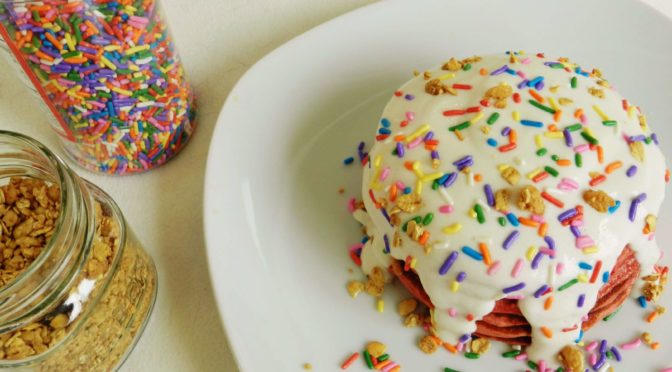
Ever wonder why some red velvet pancakes look vibrant and taste incredible, while others fall flat? It’s not just about adding red dye. Achieving that signature deep crimson hue and complex, slightly tangy chocolate flavor requires understanding a few key principles. This isn’t just a recipe; it’s an exploration into the specific interactions of ingredients that make red velvet truly special, especially in pancake form.
What Gives Red Velvet Its Signature Color and Tang?
The iconic appeal of red velvet isn’t solely visual; it’s a carefully balanced symphony of flavor and appearance. Many home cooks assume the color is the primary characteristic, but without the underlying taste profile, it’s just a red pancake. Understanding the interplay of specific ingredients is crucial for recreating the authentic experience.
Is it just food coloring?
No, it’s not just food coloring. While most modern red velvet recipes rely heavily on liquid red food coloring to achieve a dramatic, consistent hue, the *original* red velvet cakes had a more subtle, natural reddish-brown tint. This natural color came from the reaction between anthocyanins in traditional, unprocessed cocoa powder and acidic ingredients like buttermilk and vinegar. Today, highly processed cocoa powders often lack these anthocyanins, making significant food coloring necessary for the vibrant red we now expect. However, even with coloring, the other elements are what truly define the taste. Think of the food coloring as an amplifier for a base color that should still be present, if only faintly, from the cocoa.
What role does cocoa powder play?
Cocoa powder plays a dual role: contributing both color and flavor. Historically, cocoa powder with higher anthocyanin content would react with acids, creating a reddish tint. While this natural reaction is less pronounced with contemporary cocoa, cocoa still provides the subtle chocolate background flavor that distinguishes red velvet from a plain vanilla or colored cake. Using a good quality, unsweetened cocoa powder—typically 1 to 2 tablespoons per recipe, depending on the batch size—is essential for this nuanced chocolate note. Dutch-processed cocoa powder, which is less acidic, will produce a browner cake and requires more red coloring, but it offers a smoother, less bitter chocolate flavor. Natural cocoa, being more acidic, can enhance the red reaction slightly more, but still benefits from added coloring for true vibrancy.
Why is buttermilk essential?
Buttermilk is indispensable for red velvet pancakes, contributing both moisture and a characteristic tang. Its acidity reacts with baking soda to create carbon dioxide gas, which gives the pancakes their lift and fluffy texture. This reaction is also crucial for tenderizing the batter, resulting in a softer crumb. Beyond its leavening properties, buttermilk’s distinct sourness provides the signature “velvet” tang that balances the sweetness and richness of the cocoa and fat. Without buttermilk, pancakes can taste flat and lack the complex depth that defines red velvet. A good substitute for buttermilk involves combining regular milk with an acid like white vinegar or lemon juice, letting it sit for about 5-10 minutes until it slightly curdles, then using it as you would buttermilk.
The Science of Red Velvet: Achieving Perfect Texture
Beyond color and flavor, the texture of red velvet pancakes is . They should be tender, moist, and delightfully fluffy—never dense, chewy, or dry. This specific texture isn’t accidental; it’s the result of carefully managing leavening, fat, sugar, and mixing techniques. A deep understanding of these interactions allows for consistent, high-quality results every time you make them, moving beyond simply following a recipe to truly understanding why each step matters. Even small deviations in temperature or mixing can significantly alter the final consistency.
Balancing Leavening Agents
The fluffiness of red velvet pancakes hinges on the precise balance of leavening agents: baking soda and baking powder. Baking soda reacts with the acid in buttermilk and vinegar to produce carbon dioxide rapidly. This initial burst of gas creates tiny air pockets, contributing to the open, airy crumb. Baking powder, a double-acting leavener, works in two phases: once when it’s mixed with liquid, and again when exposed to heat during cooking. This ensures sustained lift, preventing the pancakes from deflating. Typically, a recipe might call for 1 teaspoon of baking soda and 1 to 2 teaspoons of baking powder for roughly 2 cups of flour. Too much leavening can lead to a metallic taste or over-puffing followed by collapse, while too little results in dense, heavy pancakes. The exact ratio will vary slightly based on the acidity of your buttermilk, which itself can fluctuate.
The Impact of Fat and Sugar on Crumb
Fat and sugar are not just about flavor; they are critical for achieving the desirable moist and tender crumb. Fats, such as vegetable oil or melted butter, interfere with gluten development, preventing the pancakes from becoming tough. They lubricate the flour particles, resulting in a softer texture. A standard recipe usually incorporates about ¼ to ½ cup of fat per 2 cups of flour. Sugar, beyond providing sweetness, also contributes to moisture retention. It’s a hygroscopic ingredient, meaning it attracts and holds water, keeping the pancakes from drying out too quickly. Furthermore, sugar aids in browning the pancakes beautifully on the griddle. Too little sugar can lead to a less tender texture and pale exterior, while excessive amounts can make them overly sweet and potentially lead to burning before they cook through properly.
Mixing for Tenderness, Not Toughness
One of the most common pitfalls in pancake making is overmixing the batter. Flour contains gluten-forming proteins. When these proteins are hydrated and agitated, they develop elastic strands, creating gluten. While gluten is desirable in bread for chewiness, in pancakes, it leads to a tough, rubbery texture. The goal for red velvet pancakes is minimal gluten development. This means mixing the wet and dry ingredients just until they are combined. Lumps are not only acceptable but often desirable, as they indicate that the batter hasn’t been overworked. A few gentle stirs, leaving some visible streaks of flour, are perfect. Resting the batter for 5-10 minutes after mixing allows the flour to fully hydrate and the gluten to relax, contributing to a more tender finished pancake. This resting period also allows the leavening agents to begin their work, setting the stage for optimal rise.
Artificial vs. Natural Coloring: A Flavor and Aesthetic Comparison
The visual appeal of red velvet is undeniably tied to its vibrant color. However, achieving this color can be approached in different ways, each with its own trade-offs in terms of intensity, flavor impact, and overall aesthetic. While artificial food dyes offer unparalleled brightness, natural options provide a more subtle, often deeper hue, sometimes with a slight flavor contribution.
| Characteristic | Artificial Red Food Coloring (Liquid/Gel) | Beetroot Powder | Red Cabbage Juice + Acid |
|---|---|---|---|
| Color Intensity | Very High (Deep Crimson) | Medium (Earthy Red/Pink) | Low to Medium (Purple-Red) |
| Color Consistency | Excellent, very predictable | Good, can be slightly muted | Variable, pH-dependent |
| Flavor Impact | None | Slightly earthy, can be noticeable if too much used | Slightly tart, can be noticeable if too much used |
| Quantity Needed | 1-2 tablespoons liquid or 1-2 teaspoons gel for 2 cups flour | 2-4 tablespoons per 2 cups flour | ½ cup red cabbage juice + 1 tablespoon lemon juice for 2 cups flour |
| Ease of Use | Very easy, readily available | Easy, mixes well into dry ingredients | Moderate, requires juicing/extracting, pH adjustment |
| Cost (Approx.) | Low (e.g., ~$4-6 for a common 1 oz bottle of liquid dye) | Moderate (e.g., ~$8-12 for 4 oz of powder) | Low (fresh cabbage is inexpensive) |
| Overall Aesthetic | Classic, bold, uniform red velvet | Natural, rustic, sometimes leans pinker | Unique, deep purple-red, less traditional |
Artificial food coloring, specifically a concentrated liquid or gel dye, remains the simplest and most effective way to achieve the vibrant, unambiguous red associated with modern red velvet. It provides a consistent, bold color without affecting the delicate balance of flavors. For those prioritizing visual impact and traditional appearance, it’s the clear choice.
Natural options like beetroot powder or a concentrated red cabbage juice (activated with an acid like lemon juice or vinegar to shift its natural purple to red) offer alternatives for those wishing to avoid artificial dyes. Beetroot powder delivers an earthy red-pink, sometimes imparting a subtle earthy flavor that some find appealing and others do not. Red cabbage juice offers a more purplish-red that can be shifted to a truer red with sufficient acidity, but its flavor impact can be more pronounced. These natural methods yield a more subdued, rustic red, which might not be the intense crimson many expect, but offer a different kind of charm and are excellent for those seeking to avoid artificial ingredients altogether.
Step-by-Step Perfection: Your Guide to Fluffy Red Velvet Pancakes
Crafting flawless red velvet pancakes involves more than just mixing ingredients; it requires attention to detail at each stage, from preparing your mise en place to the final flip. Following a structured approach ensures consistency and helps in troubleshooting if something doesn’t quite go as planned. This process focuses on optimizing both texture and flavor to deliver a truly memorable breakfast or dessert experience.
- Gather and Measure All Ingredients: Precision is key. Have your all-purpose flour, granulated sugar, unsweetened cocoa powder, baking soda, baking powder, a pinch of salt, buttermilk, large eggs, melted unsalted butter or neutral oil, white vinegar, and liquid red food coloring (if using) ready and measured. Ensure your buttermilk and eggs are at room temperature for better emulsion.
- Combine Dry Ingredients: In a large mixing bowl, whisk together the all-purpose flour, sugar, cocoa powder, baking soda, baking powder, and salt. Whisking thoroughly ensures even distribution of leavening agents and prevents clumps.
- Combine Wet Ingredients: In a separate medium bowl, whisk together the buttermilk, eggs, melted butter/oil, vinegar, and red food coloring. Whisk until the mixture is uniform in color and texture. The vinegar and buttermilk will begin to activate the baking soda immediately upon mixing.
- Gently Combine Wet and Dry: Pour the wet ingredients into the dry ingredients. Using a whisk or spatula, mix *just until combined*. Resist the urge to overmix. Lumps are perfectly fine; overmixing develops gluten, leading to tough pancakes. A few quick stirs are all you need.
- Rest the Batter: Let the batter rest at room temperature for 5-10 minutes. This allows the flour to fully hydrate and the gluten to relax, contributing to a more tender pancake. It also gives the leavening agents a head start.
- Preheat Your Griddle/Pan: Heat a non-stick griddle or a large non-stick frying pan over medium-low heat. The ideal temperature is crucial; too hot, and the outside will burn before the inside cooks; too cool, and they won’t brown properly or rise as much. A well-heated surface ensures even cooking.
- Cook the Pancakes: Lightly grease the hot griddle with a tiny bit of butter or oil. Pour ¼ to ⅓ cup of batter per pancake onto the griddle, leaving space between each. Cook for 2-3 minutes per side, or until bubbles appear on the surface, the edges look set, and the bottom is golden brown. Flip carefully and cook for another 1-2 minutes until the second side is golden and the pancake is cooked through.
- Serve Immediately: Transfer cooked pancakes to a plate. Serve warm with cream cheese glaze, whipped cream, or maple syrup.
Preparing Your Ingredients Precisely
The success of your red velvet pancakes begins before any mixing. Room temperature ingredients blend more smoothly, creating a more uniform batter that traps air efficiently, leading to a lighter, fluffier result. Cold eggs and buttermilk can cause melted butter to seize up, creating small, hard bits of fat in your batter instead of a smooth emulsion. Measuring accurately, especially for flour and leavening agents, prevents common issues like dense pancakes (too much flour) or an unpleasant metallic taste (too much baking soda).
The Ideal Cooking Conditions
Achieving perfectly cooked pancakes relies heavily on griddle temperature. A medium-low heat setting is usually optimal for most stovetops. You want the pancakes to cook gradually, allowing the leavening agents to fully expand and the interior to cook through before the exterior browns too quickly. A good test for griddle temperature is to drop a tiny bit of water on it; if it sizzles and evaporates within a couple of seconds, it’s ready. If it immediately disappears, it’s too hot; if it just sits there, it’s too cool. Overcrowding the pan can also lower the griddle temperature and lead to uneven cooking, so cook in batches as needed.
The Single Most Important Factor for Success
The crucial element for exceptional red velvet pancakes lies not in the amount of red food coloring, but in the careful balance of acidity from buttermilk and vinegar with the baking soda and cocoa powder.
This chemical reaction is what creates the tender crumb, the characteristic tang, and historically, a hint of the desired red hue. Without this precise interaction, you end up with merely a red-colored, but ultimately ordinary, pancake.