Ruffle Obsession
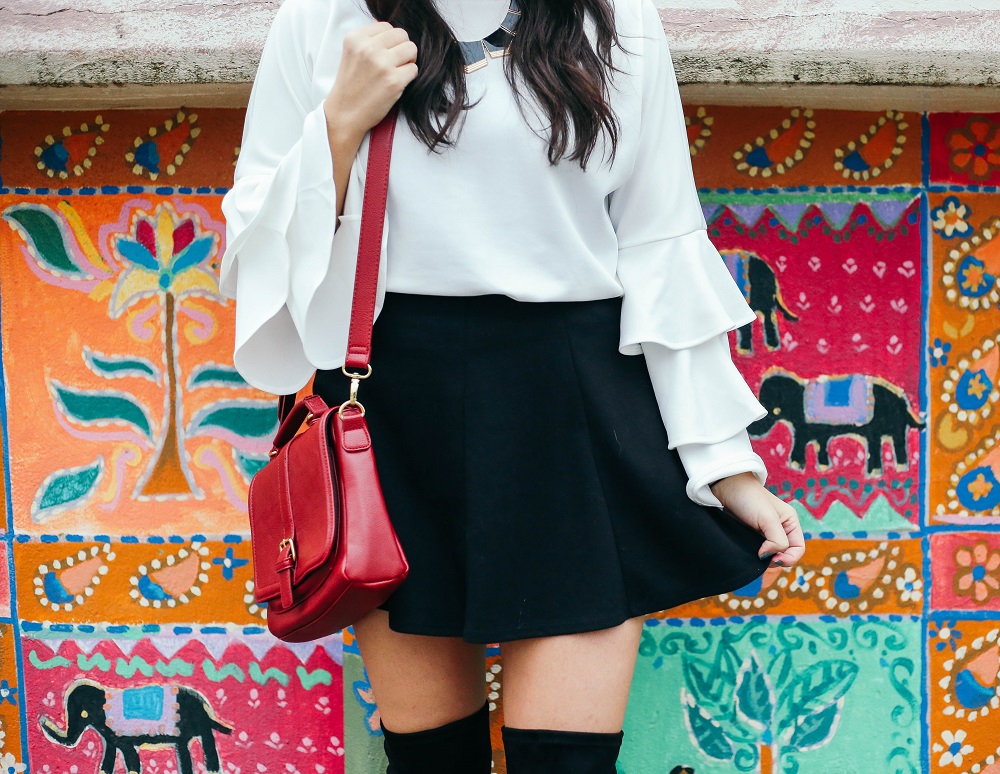
Did you know ruffles, in their earliest forms, weren’t even about aesthetics? They started as practical garment details in the 15th century, used to protect seams and edges, especially on men’s shirts. Imagine that – what we now see as a purely decorative, often ultra-feminine flourish began with utility. I’ve been riding the ruffle wave, on and off, for over ten years now, through countless trends and personal style evolutions. I’ve learned a lot, often the hard way, about what truly makes a ruffle piece sing, and what just… flops. Trust me, I’ve seen it all, and I’m here to tell you where to spend your money and, more importantly, where to save your sanity.
My Biggest Ruffle Regrets (And What I Learned)
I’m not going to sugarcoat it: I’ve made some terrible ruffle choices. We all do. The first few years were a trial by fire, filled with pieces that looked amazing on a mannequin but felt all wrong on me. My biggest regret? Falling for cheap, stiff fabrics. Don’t buy that polyester ruffle blouse just because it’s ‘on trend’ and $30. You’ll wear it once, feel like a cardboard box, and it will end up in the donation pile. Get a better fabric instead. It’s a non-negotiable.
The Stiff Poly Blouse Debacle
I remember this electric blue, ruffled-neck blouse from a fast fashion store. It looked so vibrant online. When it arrived, the ruffles stood out at awkward angles, refusing to drape. The polyester was thick, scratchy, and had zero breathability. It felt like I was wearing a cheap costume. The takeaway? If the fabric can’t flow or hold a delicate shape, the ruffles will look like an afterthought, or worse, a mistake. I learned to inspect fabric compositions closely before buying, even if it meant paying a bit more.
Over-Ruffled Everything: My Early 2010s Disaster
Oh, the early 2010s. I was deep into the ‘more is more’ philosophy, especially with ruffles. I had a dress with ruffles on the sleeves, the neckline, and down the skirt. It was a chaotic mess. I thought I was making a statement, but I was just drowning in fabric. It looked bulky, unbalanced, and frankly, a bit childish. I’m telling you, unless you’re a professional stylist or attending a specific themed event, avoid combining multiple ruffle elements in one garment. Pick one focal point, and let it shine.
Impulse Buys: The Ruffle That Didn’t Fit My Wardrobe
My worst habit? Buying a statement ruffle piece without considering how it would integrate with the rest of my closet. I once bought this gorgeous, tiered ruffle skirt – a real showstopper – but then realized I owned absolutely nothing that would complement it. It was too fancy for my everyday tops, and the colors clashed with my few dressy blouses. It sat in my closet for months, mocking me. Now, I always ask myself, ‘Can I style this at least three different ways with what I already own?’ If the answer is no, it’s a pass, no matter how pretty it is.
The Fabric Truth: Why Material Matters Most
This is where I get particular. The longevity and look of any ruffled garment depend almost entirely on its fabric. You can have the most beautiful design, but if the fabric is wrong, the ruffles will either wilt, stand stiffly, or just look cheap. Think about the effect you want. A soft, romantic ruffle needs a light, flowing material. A structured, architectural ruffle needs something with body. It’s not rocket science, but it’s often overlooked.
For delicate, romantic ruffles that whisper rather than shout, you need fabrics like silk, rayon blends, or fine cotton voile. These materials have a natural drape and movement that allow the ruffles to cascade gracefully. They move with you, creating a fluid, almost ethereal effect. Conversely, if you want a more dramatic, sculptural ruffle – the kind you see on high-fashion pieces from brands like Aje – you’re looking at poplin, heavier linen blends, or even certain taffetas that hold their shape. The fabric gives the ruffle its personality.
Best Fabrics for Flowing Ruffles
- Silk Crepe de Chine: Absolutely unparalleled for luxurious drape. Ruffles made from this fabric are soft, elegant, and move beautifully. Expect to pay more, but it’s an investment that lasts.
- Viscose/Rayon: A fantastic alternative to silk for drape and breathability. It’s more affordable but still offers that lovely fluid movement. Look for heavier weights for better quality.
- Cotton Voile/Lawn: For a more casual, breezy feel, these light cottons are excellent. They have a subtle crispness but still drape well, perfect for summer blouses or dresses.
Fabrics for Structured Ruffles
- Cotton Poplin: This is your go-to for crisp, architectural ruffles. Think dramatic sleeves or collar details. It holds its shape well but can feel a bit stiff if there’s too much of it. Brands like Zara frequently use poplin for their voluminous ruffle shirts.
- Linen Blends: Linen offers texture and a beautiful, relaxed structure. Ruffles in linen have an organic, slightly undone elegance. They wrinkle, yes, but that’s part of their charm.
- Taffeta/Organza: For truly dramatic, evening-wear ruffles. These fabrics have a strong body and sheen, making ruffles stand out. They’re not for everyday, but for a special occasion, they deliver impact.
Best Ruffle Placements for Real Life
Where a ruffle sits on your body dictates everything about how it looks and feels. Placement can enhance your figure, add interest, or, if done wrong, overwhelm you. After years of trial and error, I’ve narrowed down the spots that consistently work for a chic, wearable ruffle look.
1. The Neckline Ruffle (Collar or Placket)
A ruffle around the neckline or down a shirt placket adds immediate charm and can frame the face beautifully. I particularly love a subtle stand-up ruffle collar on a simple blouse. It offers a touch of sophistication without being too much. It draws the eye upwards, which is often flattering. Don’t go for anything too wide or stiff here; it can feel restrictive. Brands like Ganni often do this well, with a slightly exaggerated but still wearable ruffle collar.
2. Statement Sleeves (Cuffs or Shoulders)
Ruffles on sleeves are a personal favorite. Whether it’s a tiered ruffle cuff on a long-sleeved shirt or a voluminous ruffle at the shoulder of a dress, this placement offers high impact without adding bulk to your torso. It keeps the drama away from the waist, which is a win for many body types. Just ensure the sleeve itself isn’t too tight; you need that movement for the ruffle to look good. Aje is a brand famous for its sculptural ruffle sleeves.
3. Hemline Ruffles (Skirts or Dresses)
A ruffle at the hem of a skirt or dress provides movement and a playful finish. This works especially well on midi or maxi lengths, where the ruffle can swish as you walk. It adds visual interest to the bottom half of an outfit. For shorter skirts, keep the ruffle minimal to avoid a ‘flouncy’ look that can sometimes feel dated. A single, well-executed ruffle at the ankle of a pant or the hem of a midi skirt is surprisingly chic.
4. Vertical Ruffle Details
Ruffles that run vertically, perhaps down a dress or along a blouse seam, can create a lengthening effect. This is a subtle way to incorporate ruffles that feels more grown-up and streamlined. It’s less about volume and more about texture and line. This is a great choice if you’re nervous about horizontal ruffles adding width.
The “Over-Ruffled” Trap: My Avoid List
Listen, there’s a fine line between a chic ruffle and looking like you lost a fight with a bolt of fabric. My rule of thumb? If the ruffles are everywhere, they’re nowhere. Avoid garments with ruffles on the chest, waist, and hips all at once. It’s just too much visual noise, and it rarely flatters any figure. Pick one zone, make it good, and leave the rest alone.
Styling Ruffles: Don’t Look Like a Victorian Doll
One of the biggest complaints I hear about ruffles is that they can feel too sweet, too childish, or too “costume-y.” This is a valid concern, and it comes down to how you style them. The key is balance. Contrast the softness of ruffles with tougher, more modern elements. That’s my secret weapon.
How do I balance a voluminous ruffle top?
Easy. Pair it with something structured and minimalist on the bottom. Think straight-leg denim, tailored trousers, or a sleek pencil skirt. If your top has big, dramatic ruffles, keep your accessories understated. A simple gold chain, a small leather bag, and clean-line shoes will prevent you from looking like a doll. I wear my ruffle shirts with my favorite Levi’s 501s and a pair of chunky boots. It grounds the look instantly.
Can I wear ruffles to the office?
Absolutely, but choose wisely. A subtle ruffle on a blouse sleeve or a delicate ruffle collar on a silk shirt is perfect. Avoid anything too voluminous or dramatic. Keep the rest of your outfit professional: tailored blazer, smart trousers, or a clean-cut skirt. Think polished, not playful. The goal is to add a touch of femininity, not to distract.
What shoes work best with ruffles?
This depends on the overall vibe, but generally, I lean towards shoes that offer a counterpoint to the ruffle’s softness. For a casual look, sneakers (like my beloved Vejas) or combat boots are fantastic. For dressier occasions, sharp pointed-toe flats, sleek mules, or minimalist strappy heels work well. Avoid anything too frilly or overly decorative in your footwear; let the ruffle be the star.
My Top Ruffle Pieces Worth the Investment
After years of experimenting, I’ve narrowed down the types of ruffle garments that consistently deliver on style, versatility, and enduring appeal. These are the pieces I find myself reaching for again and again, proving their worth over countless trends.
| Ruffle Item Type | Why It Works | My General Recommendation | Price Range (Approx.) |
|---|---|---|---|
| The Statement Ruffle Blouse | High impact, easy to style with basics. Elevates denim and tailored pants. Focus on quality fabric. | Look for silk, high-quality viscose, or structured poplin from brands like Ganni or Sézane. Prioritize sleeves or neckline. | $150 – $400 |
| The Ruffled Midi Skirt | Feminine movement without being overtly ‘dressy.’ Pairs well with knitwear or a simple tee. | Seek out tiered styles in cotton blends or fluid materials like Tencel. A single, wide ruffle at the hem also works. | $80 – $250 |
| The Ruffle-Trimmed Knit | Adds unexpected softness to a cozy sweater. Can be subtle (cuff ruffles) or more prominent (collar). | Cashmere or fine merino wool knits with delicate ruffles. Brands like & Other Stories often have great options. | $90 – $300 |
| The Architectural Ruffle Dress | For special occasions, these are true showstoppers. Sculptural ruffles demand attention and create unique silhouettes. | Invest in brands known for their unique designs, like Aje, or look for quality poplin/linen blends that hold their shape. | $300 – $800+ |
| The Subtle Ruffle Camisole | Layering piece that adds a hint of femininity under blazers or cardigans. Discreet and versatile. | Silk or satin camisoles with a small ruffle along the neckline. Prioritize soft materials for comfort. | $60 – $180 |
I’ve loved ruffles for a long time, and I don’t see that changing. They add personality, softness, and sometimes, a bit of drama to an outfit. The trick is to be discerning. Don’t fall for every ruffle you see. Choose pieces with good fabric, smart placement, and a clear vision for how they fit into your personal style. When you get it right, a ruffle isn’t just a detail; it’s a statement.