Satin Dreams Trend
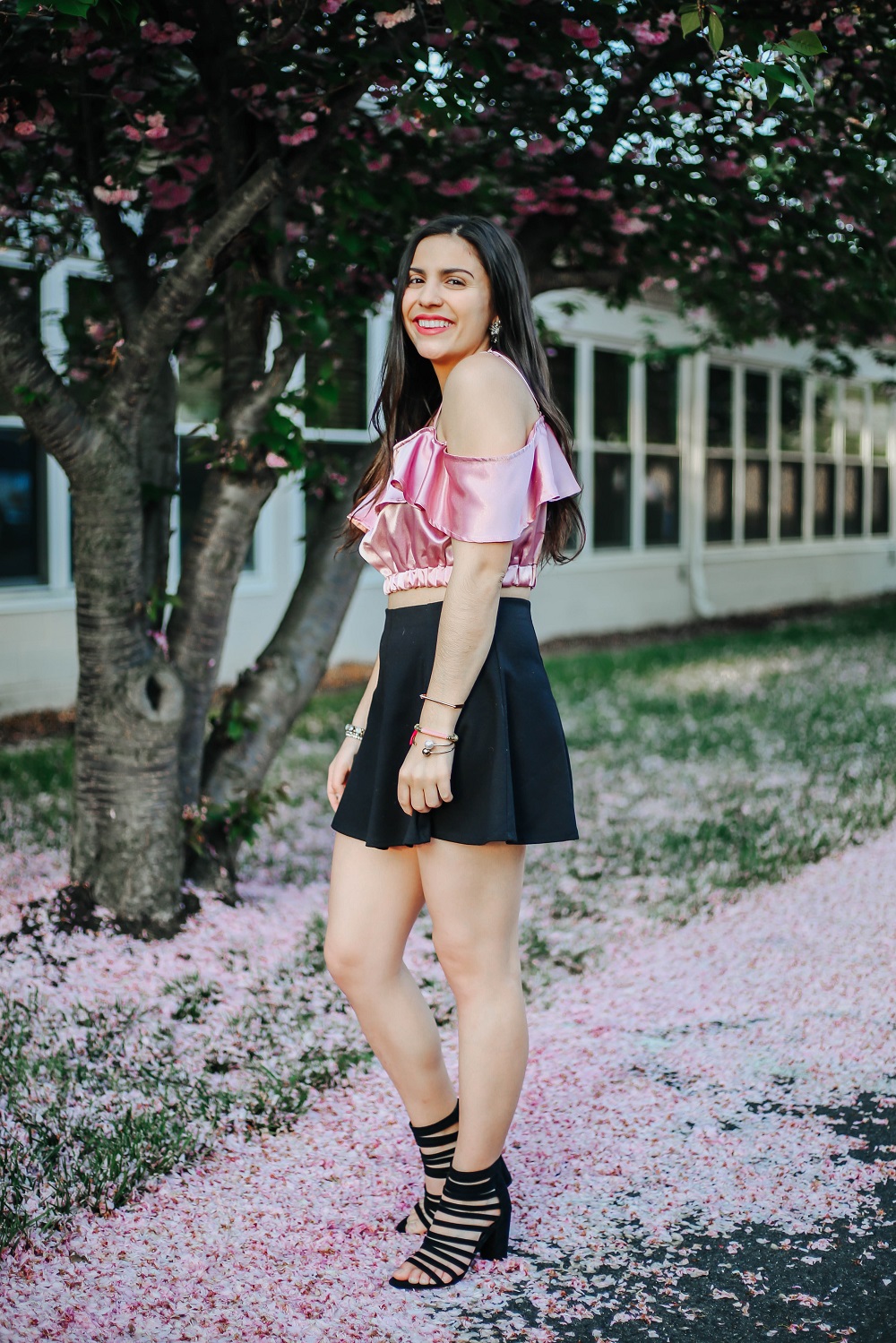
Alright, let’s clear up some serious confusion. Everyone’s talking about the “Satin Dreams Trend,” but most people don’t even know what they’re actually talking about. They see something shiny and fluid, and they call it satin. Worse, they assume it’s silk. This isn’t some nuanced academic debate. This is fundamental. Get it right, or you’ll be buying cheap polyester and wondering why it doesn’t feel or drape like the high-end pieces.
The trend isn’t going anywhere. It’s about that effortless, luxurious drape, the subtle sheen that catches the light just so. But the core mistake? Equating the finish with the fiber. That’s a rookie error, and it costs you.
Satin Is Not a Fiber. Period.
Let’s get this straight from the jump. Satin is a WEAVE. Not a fiber. You hear people say, “Oh, this is a satin shirt,” and they immediately assume it’s silk. Wrong. Absolutely wrong. This is the biggest misconception driving the entire discussion around this trend, and frankly, it’s exhausting how persistent it is.
Think of it like this: Denim is a weave. You can have denim made from cotton, hemp, or even blends. You wouldn’t call a pair of cotton jeans “cotton.” You’d call them “jeans” or “denim.” The same principle applies to satin. Satin describes the way the threads are interlaced, creating a smooth, lustrous surface on one side and a duller, matte finish on the other. It’s all about how the light reflects off those long, floating warp or weft threads.
The Weave vs. The Fiber: What’s the Difference?
A fiber is the raw material. Cotton, silk, wool, linen, polyester, rayon, acetate – these are fibers. They come from plants, animals, or are synthetic. These fibers are then spun into yarns, and those yarns are woven or knitted into fabric. The weave is the structure of that fabric.
So, you can have satin woven from silk. That’s silk satin, the traditional luxury option. You can also have satin woven from polyester. That’s polyester satin, the ubiquitous, affordable option. You can even find satin made from acetate, rayon, or blends. Each will have that characteristic shiny surface, but their hand-feel, drape, breathability, and durability will be entirely different because of the underlying fiber.
Why the Confusion Persists
The confusion largely stems from history and marketing. For centuries, the finest, most luxurious satin was made from silk. Silk was expensive, and so was silk satin. The terms became almost interchangeable in common parlance. Fast forward to the age of synthetic fibers, and suddenly, you could mimic that look for a fraction of the cost. Marketers seized on the prestige of “satin” without always clarifying the fiber content, leading consumers to believe that any “satin” piece possessed the qualities of silk.
It’s a branding shortcut, pure and simple. They want you to associate the word “satin” with luxury, even if the fabric is actually cheap plastic. Don’t fall for it. Always check the fabric composition tag. If it just says “satin,” that’s not enough information. What’s it made of?
The True Allure of the Satin Dreams Aesthetic
The Satin Dreams trend isn’t just about a fabric. It’s about a mood. A confident, effortlessly chic, often minimalist aesthetic that relies heavily on fluidity and subtle glamour. It’s less about overt embellishment and more about the intrinsic beauty of the fabric’s movement against the body. When executed correctly, it’s stunning. When done poorly, it looks cheap and pulls apart at the seams.
This isn’t a new concept. The bias-cut evening gowns of the 1930s, popularized by designers like Madeleine Vionnet, relied on silk’s natural drape and the satin weave’s lustre to create silhouettes that clung and flowed without restriction. It’s that same principle, reinterpreted for modern wardrobes. It’s about feeling luxurious, not necessarily looking overtly flashy.
Beyond the Slip Dress: Key Silhouettes
While the slip dress and slip skirt are arguably the most iconic pieces of the Satin Dreams trend, the aesthetic extends far beyond. We’re seeing beautiful wide-leg trousers, relaxed button-down shirts, and even tailored blazers crafted from high-quality satin. These pieces elevate everyday wear. Think a simple white tee tucked into a bias-cut satin skirt, or a satin camisole layered under a structured jacket. It’s about contrast and balance.
Designers like Nili Lotan built an empire on the perfect silk satin slip skirt, the ‘Midi Skirt’. Their pieces define the effortless, cool-girl take on the trend. Brands like Galvan frequently use lustrous satin in their evening wear, showcasing its ability to be both sensual and sophisticated. Even more accessible brands like Ganni have incorporated satin into their collections, often in more playful prints or relaxed shapes, demonstrating its versatility.
The Role of Drape and Movement
The defining characteristic of the Satin Dreams aesthetic is undoubtedly the drape. Good satin, especially silk satin, has an unparalleled fluidity. It skims the body without clinging, moving with every step. This isn’t about stiffness; it’s about liquid grace. The way the fabric catches and releases light as it moves is what creates that ‘dreamy’ quality. This is where fiber content becomes critical. A polyester satin, while shiny, often lacks the natural weight and suppleness of silk, resulting in a stiffer, less elegant drape that can feel unnatural and look cheap.
Notable Brands Embracing the Look
When you look at brands truly mastering this trend, you see a commitment to quality fabric. Vince consistently offers excellent silk satin pieces, from blouses to skirts, that embody refined simplicity. Remember Sies Marjan? Even though the brand is no longer active, their legacy of vibrant, impeccably draped satin pieces, often in unexpected color combinations, heavily influenced this particular aesthetic. They proved that satin could be both luxurious and modern, challenging traditional notions of evening wear. These brands understand that the fabric is the statement.
Real Satin Fabrics: A Quick Rundown
Okay, so you understand satin is a weave. Now, let’s talk about what it’s actually made from, because that’s where the real difference in quality, price, and wear comes in. Don’t buy something expensive just because it looks shiny. Know your fibers.
Silk Satin: The Gold Standard
This is it. The original. Silk satin, particularly charmeuse, is what most people picture when they think of luxurious satin. It’s renowned for its incredible softness, luminous sheen, and exceptional drape. Silk is a natural protein fiber, which means it’s breathable, temperature-regulating, and incredibly strong for its weight. It feels amazing against the skin. The best silk satins often have a weight measured in momme (mm), with 19-30 momme being common for high-quality garments. It is, predictably, the most expensive option.
Polyester Satin: The Accessible Choice
This is what you’ll find most often in fast fashion and at lower price points. Polyester is a synthetic fiber. It can be woven into a satin that looks very similar to silk satin, especially under certain lighting. It’s durable, wrinkle-resistant, and relatively inexpensive. However, polyester doesn’t breathe like silk; it can feel clammy in warm weather because it traps heat. It also tends to have a stiffer drape and a more artificial-looking sheen. It’s perfectly fine for some applications, but don’t expect it to feel or perform like silk.
Acetate and Rayon Satins: The In-Betweens
Acetate and rayon (also known as viscose) are semi-synthetic fibers. They start from natural materials (like wood pulp) but undergo significant chemical processing. Satins made from these fibers often offer a drape that’s closer to silk than polyester, and they can feel softer. They’re typically more breathable than polyester but less so than silk. They’re also often more prone to wrinkling and can be delicate to care for. Acetate, in particular, can be quite susceptible to heat damage, sometimes melting under a hot iron. These are good middle-ground options if you want a better drape than polyester but can’t justify the silk price tag.
Decoding Satin’s Care Requirements
Here’s where a lot of people mess up their satin pieces, regardless of fiber. Improper care will ruin the lustre, the drape, and the overall longevity of the garment. You can’t just toss all satin in the washing machine on hot and expect it to survive. This isn’t rocket science, it’s just reading labels and being careful.
Washing Faux Silk vs. Real Silk
| Fabric Type | Washing Method | Temperature | Drying |
|---|---|---|---|
| Silk Satin | Hand wash or dry clean recommended. Delicate machine wash (mesh bag) for some pieces. | Cold water (max 30°C/86°F) | Air dry flat or hang. Avoid direct sunlight. NO tumble dry. |
| Polyester Satin | Machine wash, delicate cycle. | Cool to warm water (max 40°C/104°F) | Tumble dry low or air dry. Remove promptly. |
| Acetate/Rayon Satin | Hand wash or dry clean highly recommended. Extremely delicate. | Cold water. | Air dry flat. Can lose shape easily when wet. |
For silk satin, hand washing in cold water with a gentle, pH-neutral detergent formulated for delicates is often the safest bet. Gently swish, don’t wring or twist. If you must machine wash, use a mesh bag and the gentlest cycle. Polyester is more forgiving; a cool machine wash is usually fine. Acetate and rayon are tricky; they can shrink or lose their shape, so dry cleaning or very careful hand washing is best.
Ironing and Storage Best Practices
Ironing: For silk, always iron on the lowest setting, inside out, and ideally with a pressing cloth. A steamer is often better. Polyester can handle a bit more heat, but still, use a low setting and iron on the reverse side to prevent scorching or creating a permanent shine. Acetate melts easily, so extreme caution or steaming is essential. Never iron dry silk or rayon; a little dampness helps prevent heat damage.
Storage: Satin, especially silk, can snag easily. Hang garments on padded hangers to maintain their shape and prevent creases. Avoid cramming them into a crowded closet. For very delicate items, folding them gently with tissue paper can prevent creasing and snags. Keep them away from direct sunlight, which can fade colors and weaken fibers over time.
Why You’re Still Getting It Wrong
You’re buying the wrong satin, you’re caring for it incorrectly, and you’re probably styling it like it’s a cheap party dress. This trend demands a certain level of discernment. If you’re constantly battling static, snags, or a garment that feels like a plastic bag, you’re missing the point. The ‘Satin Dreams’ aren’t just about the look; it’s about the feel, the movement, the understated luxury. And you won’t get that from a $20 polyester slip skirt.
Common Styling Blunders
The most common mistake? Over-styling. Satin is a statement in itself due to its texture and sheen. Pairing a satin piece with too many other flashy elements – heavy jewelry, overly structured bags, loud prints – creates a chaotic, desperate look. The best satin styling is minimalist. A beautiful satin skirt with a cashmere sweater and simple leather boots. A satin camisole under a perfectly tailored blazer. Let the fabric do the talking. Don’t drown it in accessories.
Another blunder: wrong proportions. A super-tight satin piece will highlight every bump and ripple, looking more restrictive than luxurious. The elegance of satin comes from its fluid drape. Opt for pieces that skim, not cling. The bias cut is your friend here, allowing the fabric to follow the body’s contours without being skin-tight.
Ignoring the “Occasion” Factor
While satin can be dressed down, not all satin is suitable for all occasions. A silk satin bias-cut skirt works wonderfully with sneakers and a denim jacket for a chic daytime look. A full-on polyester satin cocktail dress from a questionable brand? Not so much. Understand the inherent formality of the fabric and the garment’s construction. High-quality silk satin can elevate casual pieces, but cheap polyester satin rarely elevates anything.
Don’t wear your most delicate silk satin pieces to situations where they’ll be prone to snags – think crowded bars, sitting on rough surfaces. Save those for moments where their beauty can truly shine, unthreatened.
Your Top Satin Questions, Answered.
People still have basic questions. Let’s get through them quickly. There’s no need to overcomplicate this.
Is matte satin still “satin”?
Yes. Absolutely. Matte satin, or satin-back crepe, is simply a satin weave where the duller side of the fabric is presented as the face. It still has the characteristic satin weave, with those long floats, but the finish is deliberately subdued. It offers the same beautiful drape and fluidity but with a less reflective surface, making it excellent for more understated, sophisticated looks. Brands like Theory often use matte satin for elevated basics.
Can I wear satin casually?
Of course you can. The whole point of the modern Satin Dreams trend is its versatility. A silk satin slip skirt with a chunky knit sweater and combat boots? Absolutely. A satin wide-leg pant with a crisp white t-shirt and sneakers? Perfection. The key is balance. Pair the inherent luxury of satin with more casual textures like cotton, denim, or knitwear to prevent it from looking too “dressed up.” It’s all about making it feel effortless, not trying too hard.
How do I prevent snags?
Satin, especially silk satin, is prone to snags because of its long, floating threads. Prevention is key. Be mindful of jewelry with sharp edges, rough surfaces, or even your fingernails. Store satin pieces carefully, hanging them rather than folding them in a messy pile. If you do get a snag, resist the urge to pull the thread; instead, try to gently push it back into the weave from the reverse side using a needle. It’s not always fixable, but pulling only makes it worse.
The Future of Satin in Fashion: Don’t Overthink It.
The Satin Dreams trend isn’t going anywhere because the appeal of fluid, lustrous fabric is timeless. It’s not a passing fad; it’s a return to appreciating textiles that move with you, that feel luxurious, and that make a statement without screaming. Focus on quality over quantity, always check the fiber content, and understand that proper care is non-negotiable. That’s the only way to truly nail this aesthetic.