Snow Day Vibes
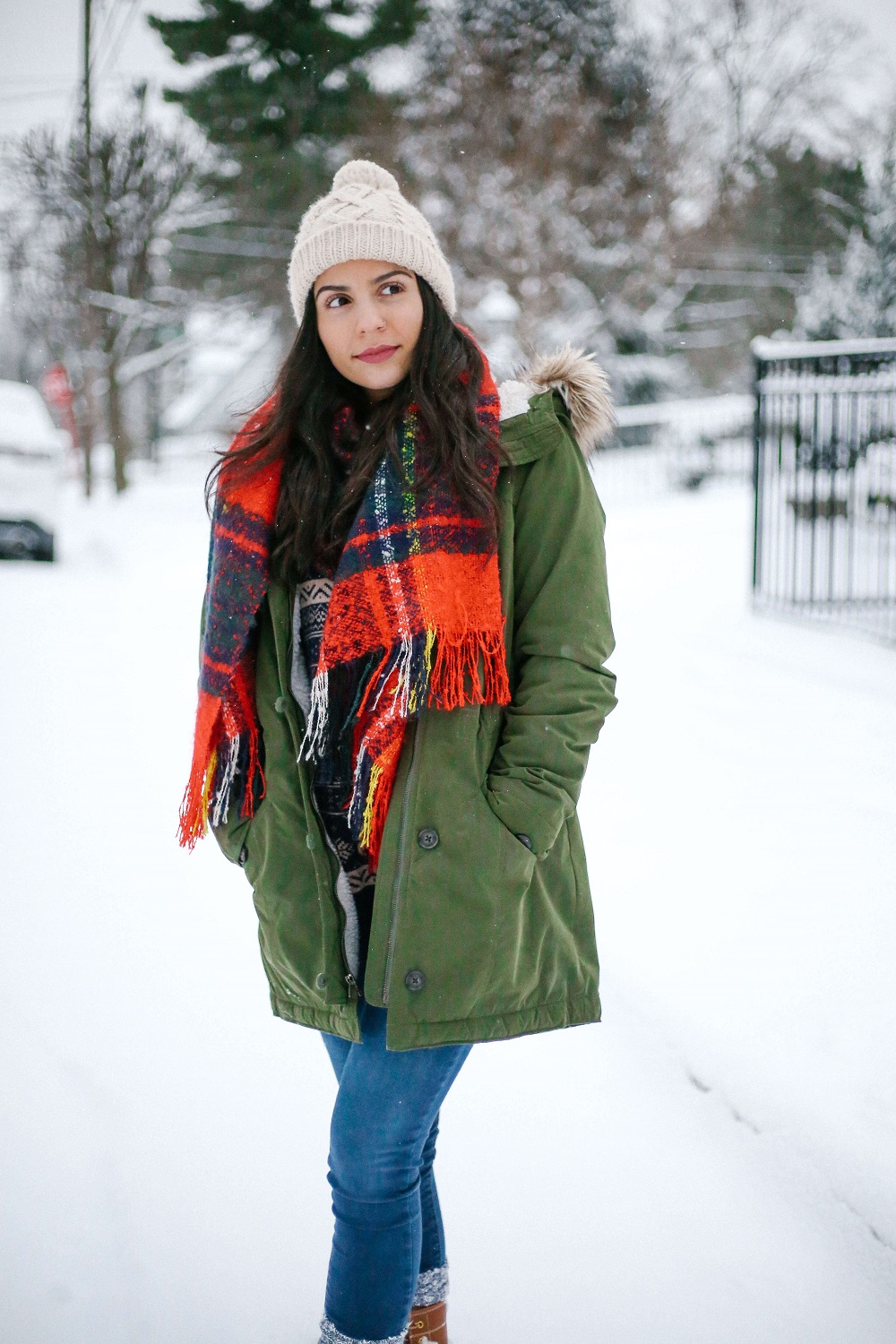
Look, I’ve lived through enough brutal winters to know that ‘cute’ snow day outfits are often just cold outfits. I’ve wasted money, shivered through outdoor events, and generally learned the hard way that fashion sometimes has to take a backseat to pure, unadulterated warmth. But it doesn’t have to be one or the other if you pick the right gear. My advice? Invest where it matters. Don’t buy cheap imitations; they will fail you.
The Outerwear That Actually Delivers
I’m going to tell you exactly what coats are worth your money. Don’t bother with fashion-first parkas if you live somewhere truly cold. They look great in Instagram photos, but when the wind bites at -10°C (or colder), you’ll regret that purchase within minutes. They compress easily, losing warmth, and often have flimsy zippers.
For real warmth, it’s about down fill power and shell durability. My top pick for everyday snow days, especially if you’re standing around or moving slowly, is the Canada Goose Expedition Parka. Yes, it’s expensive, typically around $1,700-$1,800, but I’ve had mine for eight winters, and it’s still flawless. The 625 fill power white duck down is no joke. It’s built like a tank, has deep pockets, and the hood is a force field against blizzards. For a more budget-friendly but still excellent option, the Columbia Omni-Heat Infinity Down Jacket (around $250-$350 depending on the specific model and features) is a solid choice. It uses synthetic insulation paired with their reflective lining, which works surprisingly well for the price point, especially during activity. Don’t buy anything marketed as ‘winter-ready’ with less than 550 fill power down if you’re in a truly cold climate, or a cheap fashion parka that relies on bulky synthetic batting without proper baffling. They just won’t cut it.
Why Down Fill Power Matters More Than Loft
Fill power isn’t about how puffy a jacket looks initially; it’s about the quality of the down. It measures how many cubic inches one ounce of down occupies. A higher number means the down creates more air pockets, trapping more warmth, for less weight. For instance, 600+ fill power is generally considered good for cold weather, while 800+ is excellent for extreme cold or lightweight performance. This means a jacket with 700 fill power will be warmer for its weight than one with 500 fill power, assuming the same amount of down is used. It’s a key indicator of insulation efficiency.
Shell Fabrics: Protection from Wind and Wet
The best insulation is useless if wind and wet can penetrate it. Look for outer shells with a durable water repellent (DWR) finish at minimum. For serious snow, you need something truly waterproof and windproof. Technologies like Gore-Tex, or Columbia’s proprietary Omni-Tech, are crucial. These membranes prevent external moisture from getting in while still allowing some internal moisture (sweat) to escape. This breathability is key; otherwise, your own sweat will condense inside the jacket, making you cold from the inside out. A robust nylon or polyester outer fabric is also important for abrasion resistance and longevity.
Base Layers: Your Unsung Heroes
This is where most people fail. A good outer shell means nothing if your base layer isn’t doing its job. I’ve tried everything from cheap cotton long johns (a terrible mistake, don’t do it) to high-tech synthetics, and my experience is clear: the right base layer makes or breaks your comfort on a snow day. Your base layer is the first line of defense against the cold, and its primary job is to wick moisture away from your skin.
Why is cotton bad? Because cotton absorbs sweat and holds it against your skin. As soon as you stop moving, that moisture cools, making you colder. Period. It’s like wearing a wet towel. Avoid it entirely for any snow day activity.
The best materials, hands down, are merino wool or quality synthetics. Merino wool is king for everyday warmth and comfort. It wicks moisture, regulates temperature brilliantly, and naturally resists odor, meaning you can wear it for a few days without it smelling funky. Synthetic blends (polyester, nylon) are a close second for high-activity days due to their even faster drying times and often superior durability against snags.
For everyday warmth and general snow day comfort, I swear by Smartwool Merino 250 Base Layer Crew and Bottoms. They’re an investment, around $110-$120 per piece, but they last years and perform flawlessly in a wide range of temperatures. I’ve worn them skiing, shoveling, and just lounging in a cold house. For a more active, sweat-intensive snow day (think sledding with kids, snowshoeing, or vigorous shoveling), Patagonia Capilene Midweight (around $70 per piece) is my go-to. It dries incredibly fast, feels great against the skin, and is very durable. It’s also made from recycled materials, which is a nice bonus.
The layering strategy is simple but crucial: always start with a snug base layer directly against the skin. This traps a thin layer of warm air and, most importantly, wicks moisture away. Add a mid-layer (a fleece jacket or a light down vest) if it’s truly frigid, then your outer shell. This system works because each layer has a specific job, contributing to your overall warmth and dryness.
Merino Wool vs. Synthetics: The True Showdown
Merino wool excels in its ability to regulate temperature; it keeps you warm when it’s cold and helps cool you when it’s warm. Its natural crimp creates air pockets for insulation, and it can absorb a significant amount of moisture before feeling wet, all while retaining its insulating properties. It’s also naturally antibacterial, reducing odor. Synthetics, primarily polyester, shine in their quick-drying capabilities and durability. They are often more resistant to abrasion and can be more budget-friendly. While they wick moisture effectively, they don’t have merino’s natural odor resistance or its ability to warm when wet. For extended, low-activity exposure to cold, merino wins. For high-output activities where you’re sweating a lot and need rapid drying, synthetics like Patagonia Capilene are excellent.
The Critical Importance of a Proper Fit
A base layer needs to be snug, but not constricting, to work effectively. It must be in direct contact with your skin to efficiently wick away moisture. If it’s too baggy, there will be air gaps between the fabric and your skin, reducing its wicking ability and allowing cold air to circulate. If it’s too tight, it can restrict movement and blood flow, which paradoxically can make you feel colder. Aim for a fit that feels like a second skin, allowing full range of motion without excess fabric.
Footwear: One Clear Winner, One Clear Loser
This is simple, and I’m not going to sugarcoat it: don’t buy Uggs for actual snow, slush, or deep winter conditions. They are for cozy indoor wear, quick dashes to the mailbox in dry cold, or maybe a mild autumn day. They are not waterproof, offer zero traction on ice, and once wet, they are miserable and take forever to dry. Seriously, save your money if you’re looking for practical snow footwear. Get a pair of Sorel Caribou Boots. They’re around $180, fully waterproof, heavily insulated with a removable felt liner, and have fantastic grip on icy and snowy surfaces. I’ve had my pair for fifteen years, resoled them once, and they’re still going strong. That’s it. No debate.
Essential Accessories for Ultimate Comfort
You’ve got the big pieces covered, but accessories often get overlooked. These small additions are non-negotiable for real snow day comfort and can make the difference between enduring a snow day and genuinely enjoying it.
- Wool Socks (Smartwool PhD Ski Medium): Do not, under any circumstances, skimp here. Cotton socks in boots cause blisters, absorb sweat, and make your feet cold, fast. Merino wool socks, specifically the medium cushion from Smartwool (the PhD Ski Medium is my favorite, around $25 a pair), provide warmth, wicking, and cushioning without excessive bulk. Buy at least two good pairs. They are worth every penny.
- Insulated, Waterproof Gloves or Mittens (Hestra Fall Line): Fingers are always the first to freeze. I spent years suffering with cheap gloves that soaked through or just didn’t insulate enough. The Hestra Fall Line Gloves (around $160-$190) are an investment, but the goat leather and insulation are incredible, offering superior warmth and dexterity. If you’re prone to extremely cold hands, mittens are always warmer than gloves because your fingers share warmth. Look for something with a waterproof insert like Gore-Tex or similar technology.
- Warm Beanie (Fjallraven Byron Hat): A significant amount of heat escapes through your head. A good quality wool or fleece-lined beanie is crucial. The Fjallraven Byron Hat (around $40) is 100% lambswool and super cozy, providing excellent warmth without being itchy. Make sure it covers your ears completely and stays put in the wind.
- Buff or Neck Gaiter (Merino Wool Buff): While a traditional scarf is fine, a Merino Wool Buff (around $30) is superior for active snow days. It stays put, protects your neck and lower face from biting winds and frostbite, and can be pulled up over your nose or mouth if needed without flapping around. It’s incredibly versatile and adds a huge amount of warmth for its size.
The Case for Mittens Over Gloves
For sheer warmth, mittens beat gloves almost every time. The reason is simple: your fingers are grouped together in one compartment, allowing them to share warmth and create a larger, insulated air pocket. In gloves, each finger has its own separate compartment, which means more surface area exposed to the cold and less shared warmth. The trade-off is dexterity; gloves allow for more intricate tasks. So, if you’re just staying warm, shoveling, or playing in the snow, mittens are the better choice. If you need to handle zippers, adjust bindings, or use your phone frequently, gloves might be necessary, but you’ll likely sacrifice some warmth.
Material Choices for Headwear
When it comes to beanies and headwear, wool (especially merino or lambswool) is a top contender for its excellent warmth-to-weight ratio, breathability, and ability to insulate even when damp. Fleece (polyester) is another good, often more affordable, option. It’s quick-drying and provides good warmth, but can sometimes feel clammy if you sweat a lot, and it doesn’t have the natural odor resistance of wool. Blended fabrics can offer the best of both worlds, combining wool’s warmth with synthetic durability and quick-drying properties. The key is finding something that provides good coverage, is comfortable against your skin, and effectively blocks wind.
Common Fabric Mistakes vs. Wins (Comparison Summary)
Here’s the simple truth about what fabrics work and what will leave you shivering. This table summarizes the key material choices you need to make for a truly comfortable snow day.
| Category | Don’t Buy (Material) | Why Not | Buy This Instead (Material/Product) | Why |
|---|---|---|---|---|
| Base Layer | Cotton | Holds moisture, gets cold, offers no insulation when wet. | Merino Wool (e.g., Smartwool 250) or Performance Synthetics (e.g., Patagonia Capilene) | Wicks moisture away, insulates even when damp (wool), regulates temperature, resists odor. |
| Outer Shell | Thin Nylon or Fashion Parkas | No true insulation, poor wind/water block, tears easily. | Insulated Down/Synthetic Parka (e.g., Canada Goose Expedition, Columbia Omni-Heat) | Provides substantial insulation, windproof, waterproof/water-resistant, durable. |
| Footwear | Fashion Boots (e.g., Uggs) | Not waterproof, no grip, offers minimal insulation in wet conditions. | Insulated Snow Boots (e.g., Sorel Caribou) | Fully waterproof, excellent insulation, superior traction on snow and ice. |
| Socks | Cotton | Causes blisters, absorbs sweat, makes feet cold and damp. | Merino Wool (e.g., Smartwool PhD Ski Medium) | Wicks moisture, cushions feet, provides warmth even if damp, resists odor. |
| Gloves/Mittens | Thin Knit Gloves | No wind or water protection, minimal insulation, quickly saturated. | Insulated, Waterproof (e.g., Hestra Fall Line) | Protects from wind and wet, retains heat effectively, durable construction. |
The ‘Layering is Key’ Myth (and what really is)
Everyone says, ‘Layer up!’ and that’s technically true, but it’s a half-truth that often leads to disappointment. It’s not just about the number of layers; it’s about the quality and material of each layer. Piling on three cotton shirts and a fleece won’t keep you as warm or dry as one merino base layer, a mid-weight synthetic fleece, and a proper outer shell. Each layer needs to perform a specific function—wicking, insulating, protecting. The myth often glosses over the critical material science, leading people to wear ineffective combinations.
Investing vs. Regretting: The Price-Performance Balance
You truly get what you pay for in winter gear. While it might sting to drop $1500+ on a parka or $100 on a base layer, consider it an investment. My Canada Goose parka and Sorel boots have lasted me well over a decade each. That’s cents per day for warmth and comfort. Cheap gear often fails after one season, provides inadequate protection, and makes you miserable. It’s a false economy. Spending more upfront on key pieces that perform well and last for years saves money in the long run and, more importantly, ensures you actually enjoy your snow days instead of just surviving them.